
Renewable Energy Resilience: Combining Solar, Storage and EV Charging
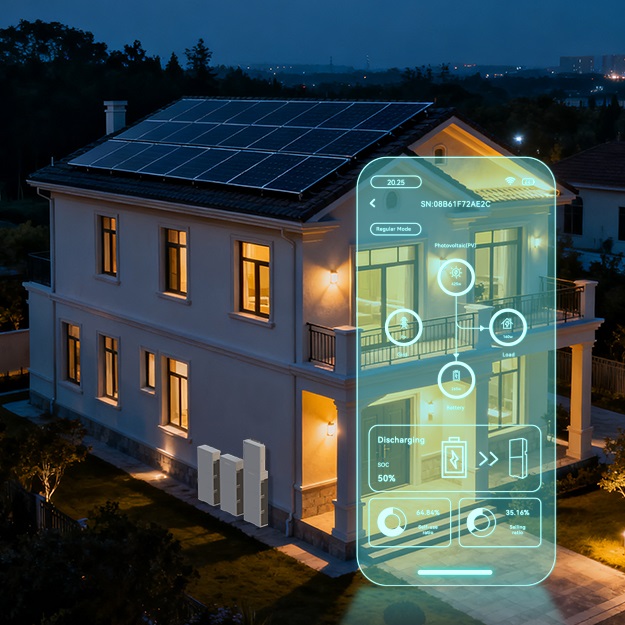
Solar, battery storage and EV charging can work as one integrated energy system to improve electricity reliability, reduce grid dependence and increase renewable energy usage. By 2024, global solar PV capacity additions exceeded 440 GW, while battery storage installations expanded rapidly as lithium-ion battery prices fell by more than 80% compared with 2013 levels. A combined solar-storage-EV platform allows electricity produced during sunny hours to be stored and used later, while smart EV charging can adjust demand according to grid conditions.
Solar PV systems are often the first component in renewable energy resilience projects because they provide local electricity generation without fuel supply requirements. In 2023, solar accounted for more than 50% of new global power capacity additions, showing how quickly photovoltaic systems have entered mainstream energy infrastructure.
However, solar output changes throughout the day. A residential system may produce most electricity between 9 a.m. and 4 p.m., while household demand often increases after sunset. Battery storage connects this timing difference by storing excess solar electricity and supplying power when generation decreases.
A 10 kW solar system producing 40–50 kWh per day can provide much higher self-consumption when paired with a battery system instead of sending unused electricity back to the grid.
Battery energy storage systems (BESS) have become a standard part of renewable energy projects because they improve electricity availability and system flexibility. Lithium iron phosphate (LFP) batteries are widely selected for stationary storage due to their long cycle life, stable chemistry and improved thermal performance.
Many commercial LFP battery systems are designed for more than 6,000 cycles, which can support approximately 10–15 years of service depending on operating conditions. In utility-scale projects, battery capacities have increased from several megawatt-hours to hundreds of megawatt-hours, allowing renewable electricity to be shifted across different time periods.
The relationship between solar generation and storage capacity affects system performance. A battery that is too small may reach full capacity during peak solar production, while an oversized battery may increase project costs without improving daily electricity use.
| System Type | Typical Size | Main Application |
|---|---|---|
| Residential solar | 3–15 kW | Home electricity generation |
| Residential battery | 5–20 kWh | Evening use and backup power |
| Commercial storage | 100 kWh–10 MWh | Peak demand control |
| Utility storage | 10 MWh–1 GWh+ | Grid balancing |
The stored electricity can also support electric vehicle charging, creating a connection between renewable generation and transportation. Global EV sales exceeded 14 million units in 2023, increasing the demand for charging infrastructure and flexible electricity management.
Traditional charging can create high electricity demand during evening periods when many drivers return home. Smart charging systems solve this by scheduling charging during periods with higher solar production, lower electricity prices or lower grid demand.
An EV with a 75 kWh battery contains several times more energy than many residential storage units, making charging management an important part of future energy planning.
Vehicle-to-grid (V2G) technology expands this relationship by allowing compatible EVs to send electricity back to buildings or the grid. Although adoption is still developing, pilot programs in Europe and North America have shown that EV fleets can provide frequency regulation and peak demand support.
A commercial parking facility with 100 EV chargers, each rated at 11 kW, could theoretically represent more than 1 MW of controllable charging capacity. With proper software control, charging schedules can be adjusted without affecting daily transportation needs.
The combination of solar, storage and EV charging requires intelligent energy management software. Energy management systems collect information from solar inverters, battery management systems, chargers and electricity meters to control energy flows.
Modern platforms consider factors such as weather forecasts, electricity prices, battery state of charge and user charging requirements. For example, a system may charge batteries at noon when solar output is high, charge vehicles during low-price periods overnight and reduce grid consumption during expensive peak hours.
Companies providing integrated systems, such as ESYsunhome renewable energy solutions, focus on combining renewable generation, storage equipment and energy management technologies for residential and commercial applications.
Renewable energy microgrids represent a larger application of this integrated approach. A microgrid can operate together with the main electricity network under normal conditions and continue supplying selected loads during outages.
Hospitals, research facilities, commercial buildings and remote communities have adopted solar-storage microgrids because maintaining electricity availability is important for daily operations. In several North American projects, battery-supported microgrids have maintained essential loads during extended grid interruptions.
The design of a resilient energy system depends on matching equipment size with electricity demand. Engineers usually analyze historical electricity consumption, solar production data, weather conditions and outage requirements before selecting system components.
A basic evaluation may include:
| Parameter | Evaluation Range |
|---|---|
| Solar capacity | 5 kW–500 MW |
| Battery duration | 2–8 hours |
| Battery efficiency | 85–95% |
| Inverter efficiency | 95–99% |
Battery efficiency and degradation rates influence long-term performance. Most lithium-ion storage systems experience gradual capacity reduction over time, with manufacturers commonly guaranteeing around 70–80% remaining capacity after a specified number of years or cycles.
Thermal management also affects battery operation. Maintaining suitable temperatures helps reduce aging and improves safety. Commercial battery containers often use liquid cooling or controlled air cooling systems to maintain stable operating conditions.
Grid services are another area where solar-storage systems are expanding. Distributed batteries can support voltage control, frequency regulation and peak demand reduction. In markets such as California, Australia and several European countries, battery systems participate in electricity markets by providing grid support services.
The growth of renewable energy requires better coordination between electricity generation, storage and consumption. Solar panels alone provide clean electricity, but storage and flexible charging allow renewable power to be used across different times of the day.
A combined solar, storage and EV charging system changes electricity from a one-way supply model into a flexible network where generation and consumption can adjust together.
Future systems will likely include larger community batteries, more bidirectional EV charging stations and advanced control platforms. By 2030, many energy forecasts expect renewable electricity to represent a much larger share of global power generation, increasing demand for storage technologies that can balance variable renewable sources.
Solar, battery storage and EV charging are becoming connected parts of modern energy infrastructure. Their integration improves renewable electricity utilization, supports grid reliability and provides more options for homes, businesses and communities seeking cleaner energy systems.
Keep the fire burning.
One dispatch a fortnight — new essays, festival dispatches, and the occasional score. No noise.
Watch the Latest Myth