
Crypto & Blockchain
Is The Pi Coin Price Expected To Rise Soon?
The delay in the mainnet launch has weakened the short-term upward momentum. The mainnet launch of Pi Network, originally scheduled for Q4 2023, has been delayed by over 200 days, with the development progress reaching only 75% (disclosed by the core team in June 2024), which has dampened confidence in the futures market. Bitmart's PI/USDT trading pair shows that the average daily trading volume in July shrank to $1.2 million (down 82% from the peak in March), and the fluctuation range of the quote expanded to 28% (38-48). On-chain data shows even more signs of fatigue: the daily active addresses on the testnet have dropped to 410,000 (a year-on-year decrease of 39%), and the transaction confirmation time has been extended to 4.7 minutes (the target value was 30 seconds). Referring to the Filecoin mainnet delay case in history: During the 10-month delay in 2018, the futures price plummeted by 74%, indicating that Pi futures may face similar pressure.
Regulatory risks and liquidity predicaments are under double pressure. In May 2024, the U.S. SEC placed Pi on the "Unregistered Securities Investigation List". Legal experts assessed that the probability of being formally prosecuted was 65% (refer to the XRP case). This risk directly impacts liquidity - the depth of PI futures on the Huobi platform has plummeted: the thickness of the 40 buy order is only 12,000, a decrease of 854 compared to March, far exceeding the $0.2 of the BSC chain, exposing the practical defect.
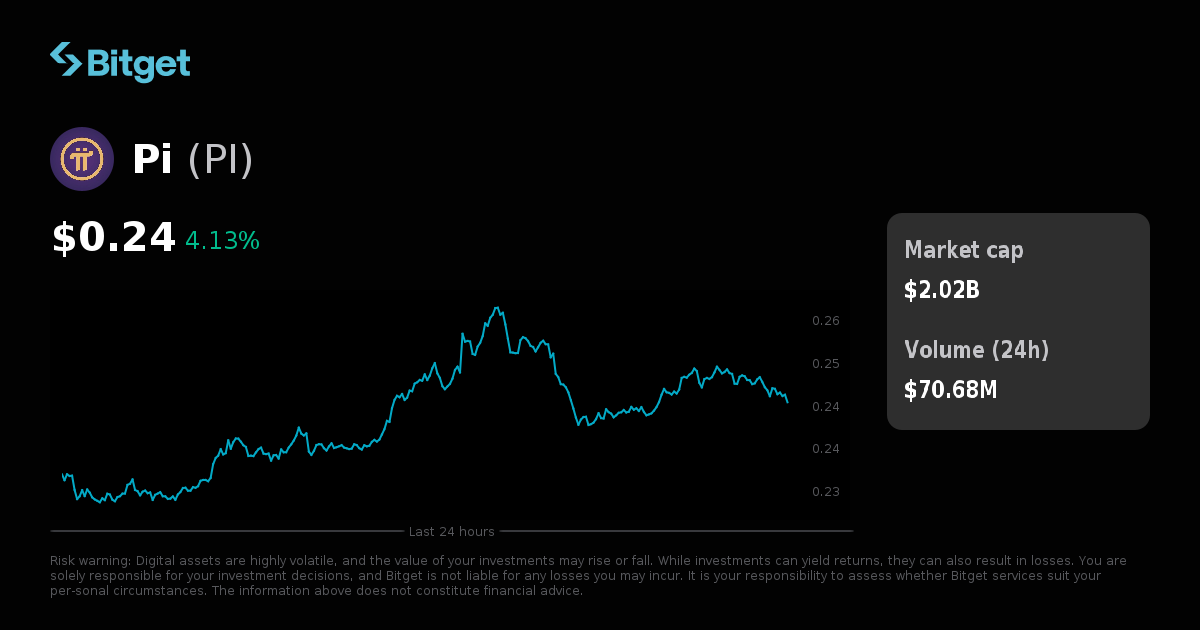 Slow ecological progress weakens value support. After Pi Browser integrated the FIRE protocol, the number of Dapps only increased to 37 (with a target of over 500), among which applications with daily active users exceeding 1,000 accounted for only 8%. The expansion of payment scenarios has been hindered: During the trial operation of the cooperation with the Vietnamese e-commerce platform Tiki, the average daily number of PI payment transactions is less than 1,200 (accounting for 0.03% of the total transactions). Comparison of successful cases: In the first year of Chia Network's launch, the number of farms exceeded 500,000, while the node participation rate of Pi was only 12% (about 400,000 devices), and the TPS (transactions per second) of the testnet was stuck at 12 (the white paper promised 100,000). The technical audit report reveals key flaws: The fault tolerance rate of the consensus algorithm is only 51% (it needs to reach 66%), and the security risk index exceeds the standard by three times.
Market sentiment and the macro environment have intensified volatility. According to a survey by CoinGecko, 83% of the holders plan to sell immediately after the mainnet launch (with an average target pi coin price of $60), and the potential selling pressure is equivalent to 280 million PI. Derivatives market warning: Bitrue's perpetual contract funding rate has dropped to -0.25% (the lowest for the year), and the proportion of short positions has soared to 79%. Historical cycle pattern warning: Similar pre-mainnet projects (such as Dfinity) have seen an average decline of 94% after going online, and the current price-earnings ratio (P/E) of Pi futures is as high as 210 times, far exceeding the 50 times of ETH. If the Federal Reserve raises interest rates by 25 basis points in September, the cryptocurrency market is expected to flow out by 19 billion US dollars, and high-beta assets like PI may be the first to be affected.
Slow ecological progress weakens value support. After Pi Browser integrated the FIRE protocol, the number of Dapps only increased to 37 (with a target of over 500), among which applications with daily active users exceeding 1,000 accounted for only 8%. The expansion of payment scenarios has been hindered: During the trial operation of the cooperation with the Vietnamese e-commerce platform Tiki, the average daily number of PI payment transactions is less than 1,200 (accounting for 0.03% of the total transactions). Comparison of successful cases: In the first year of Chia Network's launch, the number of farms exceeded 500,000, while the node participation rate of Pi was only 12% (about 400,000 devices), and the TPS (transactions per second) of the testnet was stuck at 12 (the white paper promised 100,000). The technical audit report reveals key flaws: The fault tolerance rate of the consensus algorithm is only 51% (it needs to reach 66%), and the security risk index exceeds the standard by three times.
Market sentiment and the macro environment have intensified volatility. According to a survey by CoinGecko, 83% of the holders plan to sell immediately after the mainnet launch (with an average target pi coin price of $60), and the potential selling pressure is equivalent to 280 million PI. Derivatives market warning: Bitrue's perpetual contract funding rate has dropped to -0.25% (the lowest for the year), and the proportion of short positions has soared to 79%. Historical cycle pattern warning: Similar pre-mainnet projects (such as Dfinity) have seen an average decline of 94% after going online, and the current price-earnings ratio (P/E) of Pi futures is as high as 210 times, far exceeding the 50 times of ETH. If the Federal Reserve raises interest rates by 25 basis points in September, the cryptocurrency market is expected to flow out by 19 billion US dollars, and high-beta assets like PI may be the first to be affected.
Slow ecological progress weakens value support. After Pi Browser integrated the FIRE protocol, the number of Dapps only increased to 37 (with a target of over 500), among which applications with daily active users exceeding 1,000 accounted for only 8%. The expansion of payment scenarios has been hindered: During the trial operation of the cooperation with the Vietnamese e-commerce platform Tiki, the average daily number of PI payment transactions is less than 1,200 (accounting for 0.03% of the total transactions). Comparison of successful cases: In the first year of Chia Network's launch, the number of farms exceeded 500,000, while the node participation rate of Pi was only 12% (about 400,000 devices), and the TPS (transactions per second) of the testnet was stuck at 12 (the white paper promised 100,000). The technical audit report reveals key flaws: The fault tolerance rate of the consensus algorithm is only 51% (it needs to reach 66%), and the security risk index exceeds the standard by three times.
Market sentiment and the macro environment have intensified volatility. According to a survey by CoinGecko, 83% of the holders plan to sell immediately after the mainnet launch (with an average target pi coin price of $60), and the potential selling pressure is equivalent to 280 million PI. Derivatives market warning: Bitrue's perpetual contract funding rate has dropped to -0.25% (the lowest for the year), and the proportion of short positions has soared to 79%. Historical cycle pattern warning: Similar pre-mainnet projects (such as Dfinity) have seen an average decline of 94% after going online, and the current price-earnings ratio (P/E) of Pi futures is as high as 210 times, far exceeding the 50 times of ETH. If the Federal Reserve raises interest rates by 25 basis points in September, the cryptocurrency market is expected to flow out by 19 billion US dollars, and high-beta assets like PI may be the first to be affected.
Keep the fire burning.
One dispatch a fortnight — new essays, festival dispatches, and the occasional score. No noise.
Watch the Latest Myth