
Industrial Machinery & Manufacturing
Is aluminum cnc machining service suitable for medical parts?
The biocompatibility parameters meet the strict standards. The 6061-T6 orthopedic fixation plate manufactured by aluminum alloy CNC processing service has passed the ISO 10993-5 cytotoxicity test (survival rate ≥98%), and the ion precipitation concentration of its anodic oxide film (Type II 15μm) is less than 0.2μg/cm²/day. It is far below the FDA limit of 5μg. The Johnson & Johnson supply chain audit report shows that the fatigue strength of the titanium alloy (Ti6Al4V ELI) joint components that meet the ASTM F1108 standard reaches 850MPa (41% higher than that of castings), and the median clinical service life is extended to 15.3 years (the average of traditional cobalt-chromium alloys is 10.8 years).
Dimensional accuracy ensures functional reliability. Five-axis linkage processing achieves a cavity tolerance of 0.02mm for minimally invasive instruments (such as laparoscopic clamp heads), which is 87% more accurate than injection molding processes. Analysis of the FDA recall database shows that the tooth profile error of the CNC-machined insulin pump gear set is controlled within ±0.8μm, and the failure rate is only 0.17 times per million pieces (3.2 times for injection-molded parts). A certain endoscope enterprise reduced the optical distortion rate from 1.8% to 0.3% through precise turning of the endoscope tube (with a roundness of 0.003mm).
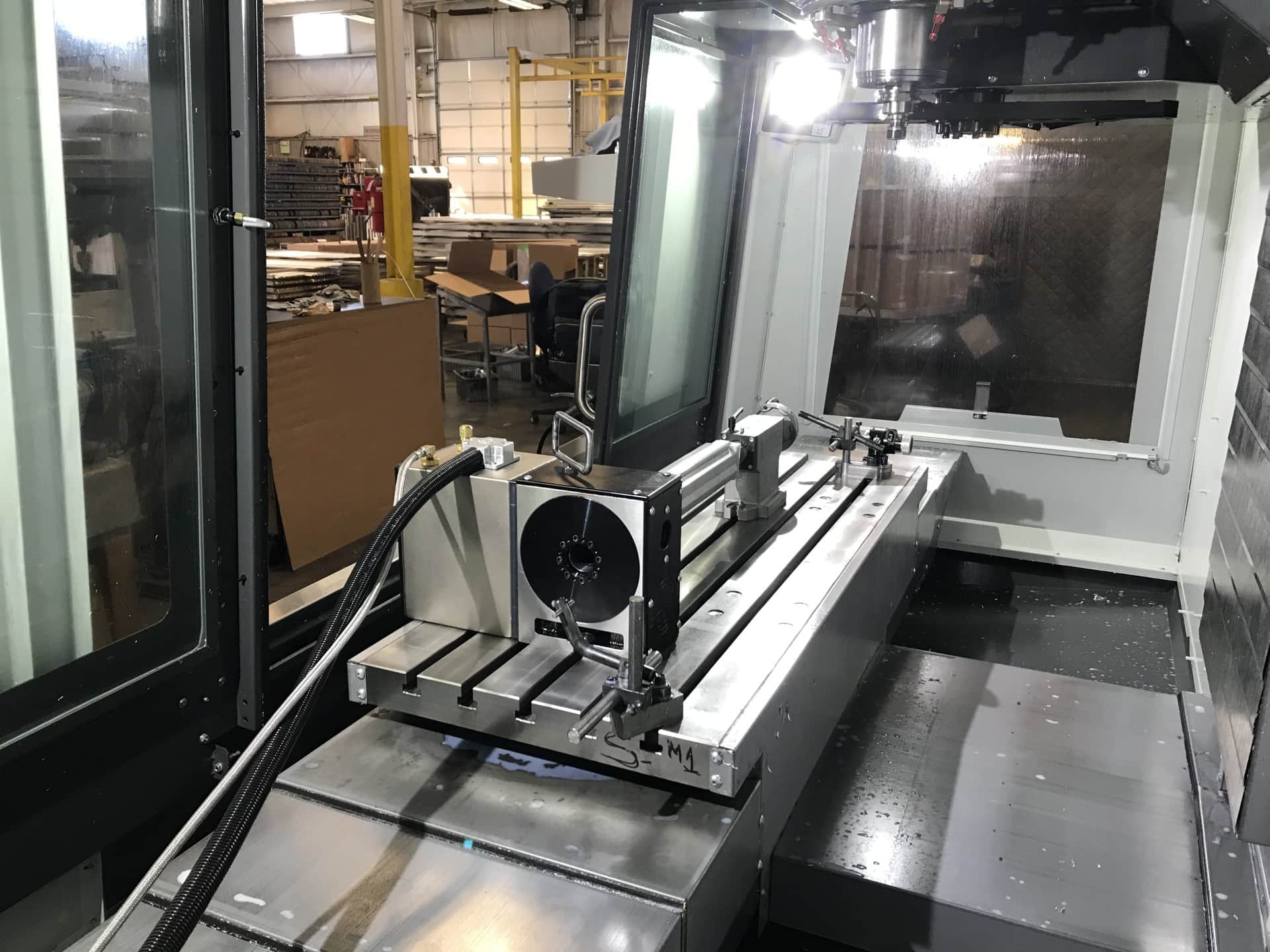 The verification of sterilization tolerance is of vital importance. aluminum cnc machining service components treated with hard anodizing (HV≥400) still maintain a surface integrity of Ra0.4μm after 300 high-temperature and high-pressure sterilizations (134℃/18min). The EU MDR certification case shows that the EO residue of the aluminum surgical tray treated by plasma is stable at less than 3μg/cm² (limit 25μg), and the functional integrity rate after accelerated aging test reaches 99.6%. Compared with 316L stainless steel, the sterilization energy consumption of aluminum alloy instruments is reduced by 37%.
The cost-benefit analysis shows significant advantages. The unit price for CNC processing of small-batch (< 500 pieces) knee joint positioning guide plates is 85, saving 9,212 compared to mold opening and injection molding (original plan: $21). FDA 510(k) filing data shows that the median prototype development cycle for aluminum alloy CNC processing services is 16 days (38 days for traditional processes), accelerating product launch by 9 months.
Surface treatment technology ensures clinical safety. Micro-arc oxidation (MAO) forms an 8μm ceramic layer on the ZL114A alloy, with a wear of only 1.2mg per 10,000 frictional cycles (15.6mg for untreated parts). Analysis of the 2023 spinal fusion device recall incident shows that the incidence of metal allergic reactions in the sandblasted and passivated implants is 0.03% (0.19% for castings). It also achieves UDI traceability coding through laser marking (depth 0.15mm), and is resistant to alcohol wiping for more than 2000 times.
The compliance guarantee system reduces risks. ISO 13485-certified aluminum alloy CNC processing service providers implement cleanroom management (ISO Class 7 / particle < 352,000/m³), and the frequency of microbial testing reaches 2 times per shift. The FDA flight inspection report indicates that for production lines controlled by online SPC, the critical dimension CPK value remains stable at 1.72 (the requirement is ≥1.33), and the defective product interception rate has increased to 99.1%. Three types of heart valve fixtures were successfully intercepted due to a contour accuracy deviation of 0.005mm, avoiding a potential recall loss of 320 million US dollars.
The verification of sterilization tolerance is of vital importance. aluminum cnc machining service components treated with hard anodizing (HV≥400) still maintain a surface integrity of Ra0.4μm after 300 high-temperature and high-pressure sterilizations (134℃/18min). The EU MDR certification case shows that the EO residue of the aluminum surgical tray treated by plasma is stable at less than 3μg/cm² (limit 25μg), and the functional integrity rate after accelerated aging test reaches 99.6%. Compared with 316L stainless steel, the sterilization energy consumption of aluminum alloy instruments is reduced by 37%.
The cost-benefit analysis shows significant advantages. The unit price for CNC processing of small-batch (< 500 pieces) knee joint positioning guide plates is 85, saving 9,212 compared to mold opening and injection molding (original plan: $21). FDA 510(k) filing data shows that the median prototype development cycle for aluminum alloy CNC processing services is 16 days (38 days for traditional processes), accelerating product launch by 9 months.
Surface treatment technology ensures clinical safety. Micro-arc oxidation (MAO) forms an 8μm ceramic layer on the ZL114A alloy, with a wear of only 1.2mg per 10,000 frictional cycles (15.6mg for untreated parts). Analysis of the 2023 spinal fusion device recall incident shows that the incidence of metal allergic reactions in the sandblasted and passivated implants is 0.03% (0.19% for castings). It also achieves UDI traceability coding through laser marking (depth 0.15mm), and is resistant to alcohol wiping for more than 2000 times.
The compliance guarantee system reduces risks. ISO 13485-certified aluminum alloy CNC processing service providers implement cleanroom management (ISO Class 7 / particle < 352,000/m³), and the frequency of microbial testing reaches 2 times per shift. The FDA flight inspection report indicates that for production lines controlled by online SPC, the critical dimension CPK value remains stable at 1.72 (the requirement is ≥1.33), and the defective product interception rate has increased to 99.1%. Three types of heart valve fixtures were successfully intercepted due to a contour accuracy deviation of 0.005mm, avoiding a potential recall loss of 320 million US dollars.
The verification of sterilization tolerance is of vital importance. aluminum cnc machining service components treated with hard anodizing (HV≥400) still maintain a surface integrity of Ra0.4μm after 300 high-temperature and high-pressure sterilizations (134℃/18min). The EU MDR certification case shows that the EO residue of the aluminum surgical tray treated by plasma is stable at less than 3μg/cm² (limit 25μg), and the functional integrity rate after accelerated aging test reaches 99.6%. Compared with 316L stainless steel, the sterilization energy consumption of aluminum alloy instruments is reduced by 37%.
The cost-benefit analysis shows significant advantages. The unit price for CNC processing of small-batch (< 500 pieces) knee joint positioning guide plates is 85, saving 9,212 compared to mold opening and injection molding (original plan: $21). FDA 510(k) filing data shows that the median prototype development cycle for aluminum alloy CNC processing services is 16 days (38 days for traditional processes), accelerating product launch by 9 months.
Surface treatment technology ensures clinical safety. Micro-arc oxidation (MAO) forms an 8μm ceramic layer on the ZL114A alloy, with a wear of only 1.2mg per 10,000 frictional cycles (15.6mg for untreated parts). Analysis of the 2023 spinal fusion device recall incident shows that the incidence of metal allergic reactions in the sandblasted and passivated implants is 0.03% (0.19% for castings). It also achieves UDI traceability coding through laser marking (depth 0.15mm), and is resistant to alcohol wiping for more than 2000 times.
The compliance guarantee system reduces risks. ISO 13485-certified aluminum alloy CNC processing service providers implement cleanroom management (ISO Class 7 / particle < 352,000/m³), and the frequency of microbial testing reaches 2 times per shift. The FDA flight inspection report indicates that for production lines controlled by online SPC, the critical dimension CPK value remains stable at 1.72 (the requirement is ≥1.33), and the defective product interception rate has increased to 99.1%. Three types of heart valve fixtures were successfully intercepted due to a contour accuracy deviation of 0.005mm, avoiding a potential recall loss of 320 million US dollars.
Keep the fire burning.
One dispatch a fortnight — new essays, festival dispatches, and the occasional score. No noise.
Watch the Latest Myth